
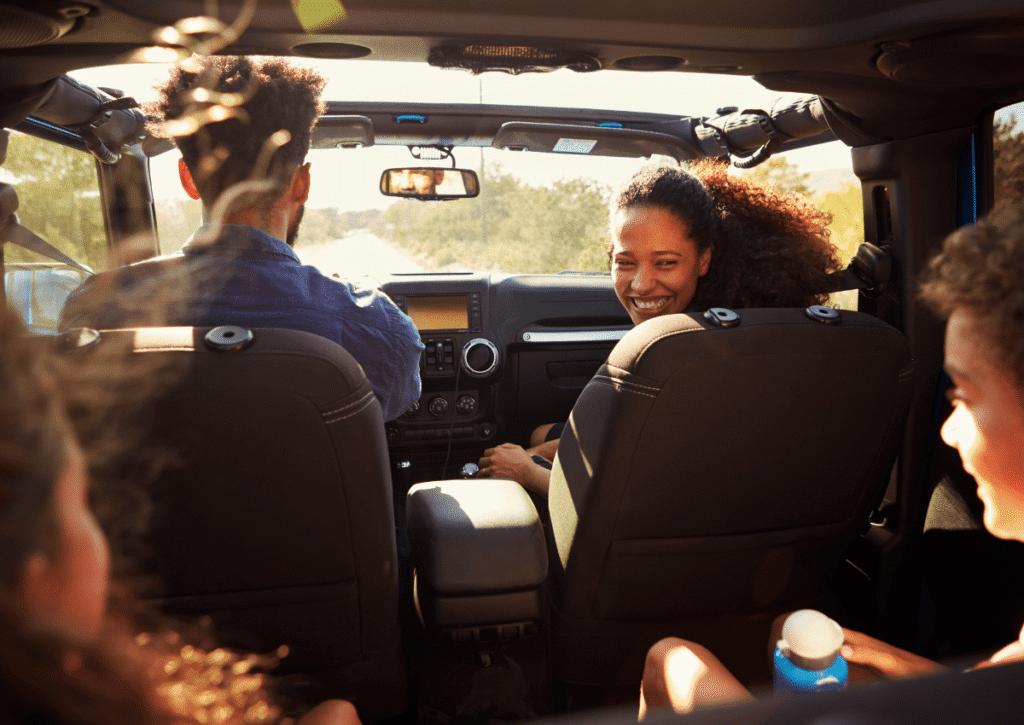
Whether it’s summer or the end-of-the-year holidays, many people associate these seasons with vacations and road trips. But the idea of traveling with a child with autism can feel overwhelming for both parents and the child.
Children with autism often thrive in structured, familiar routines – so hitting the road or the sky to a new destination has the potential to be stressful and create an environment for meltdowns or other disruptive behaviors. Even with the possible challenges, however, there are many benefits to experiencing new things.
Check out our tips for a smoother ride when traveling with a child with autism.
1. Plan Day Trips Before Week-Long Adventures
If you have not traveled away from home with your child with autism before, start with a few day trips to help prepare them for a bigger adventure. Brainstorm some activities your child enjoys – maybe a new zoo, an aquarium, a water park, or the beach (we have plenty of lakes here in Michigan!) – that are a short drive away.
Consider planning the trip so you can stay overnight in a hotel. This will give your child the hotel experience while still close enough to home if things don’t go as planned. By using a few day trips as “practice,” both you and your child will be better prepared for any challenges that may arise during a longer trip.
2. Pick A Destination That Will Interest Your Child
Many kids will simply go with the flow on most vacations. But for a child with autism, it’s important to choose a destination that aligns with your child’s personality, interests and strengths.
Do they love the sensory stimulation of the sand on the beach and the water? Maybe they enjoy museums, monuments, and the excitement of a busy city. Or perhaps they feel most comfortable in the woods, exploring trails and enjoying the calmness of nature.
By selecting a vacation spot that matches their interests and sensory preferences, you can help set your child up for success in this new experience.
If you’re looking for a destination that is also recognized as autism-friendly, check out our blog post, Top Autism-Friendly Vacation Spots.
3. Remember Important Items To Pack
Different beds, foods, smells, and sounds can create sensory overload for children who are sensitive to them. Remember to bring items your child uses to cope during times they become overwhelmed.
Helpful items to consider packing include fidgets, a weighted blanket, sunglasses, noise-cancelling headphones, or any other comforting tools that work for your child. In addition, be sure to pack a few of their favorite toys or stuffed animals, DVDs, and books. It’s also a great idea to involve you child by asking what they would like to bring along.
There are also a few additional safety precautions to consider for children who are nonverbal or have difficulty communicating. If you don’t already have one, consider purchasing an autism necklace, a medical bracelet, or a zipper pull that can help communicate your child’s diagnosis in an emergency.
Another helpful tool is a temporary tattoo with emergency contact information placed on your child’s arm in case they wander away. There are also a variety of GPS tracking devices available for children who are prone to wandering.
4. Build A Vacation Music Playlist
Create a playlist filled with songs your child – and the entire family – will enjoy, from movie soundtracks and popular music to favorite sing-along songs.
A road trip playlist can both entertain and comfort your child while they are in a new setting. If your child loves music, involve them in the selection of songs. You can also use this time to talk about your upcoming trip and help prepare them for what to expect.
5. Utilize the Power of Visuals & Role-Playing
Showing your child what will happen and when through a personalized picture schedule can helps relieve stress and reduce anxiety. Creating visual supports allows your child to process what lies ahead without being bombarded all at once.
Consider making a picture schedule that covers different portions of your trip in sequential order. A chronological version that shows daily plans to review each morning can be especially helpful. This way, it can also double as a pre-alert tool.
Include pictures of the car, highway, airport, hotel, and even pull pictures off your destination’s website. You could also add short captions to turn the schedule into a story. Creating a calendar to count down the days leading up to your trip can also help prepare your child for your departure.
Additionally, transitions – changing from one situation to another – are common while on vacation. Children with autism can find these unfamiliar transitions difficult. Along with visual supports, role-playing scenarios a few weeks before your trip can allow your child time to process what they might encounter during their vacation.
We hope these tips are helpful as you prepare to travel with your child with autism. Wishing you a wonderful adventure!