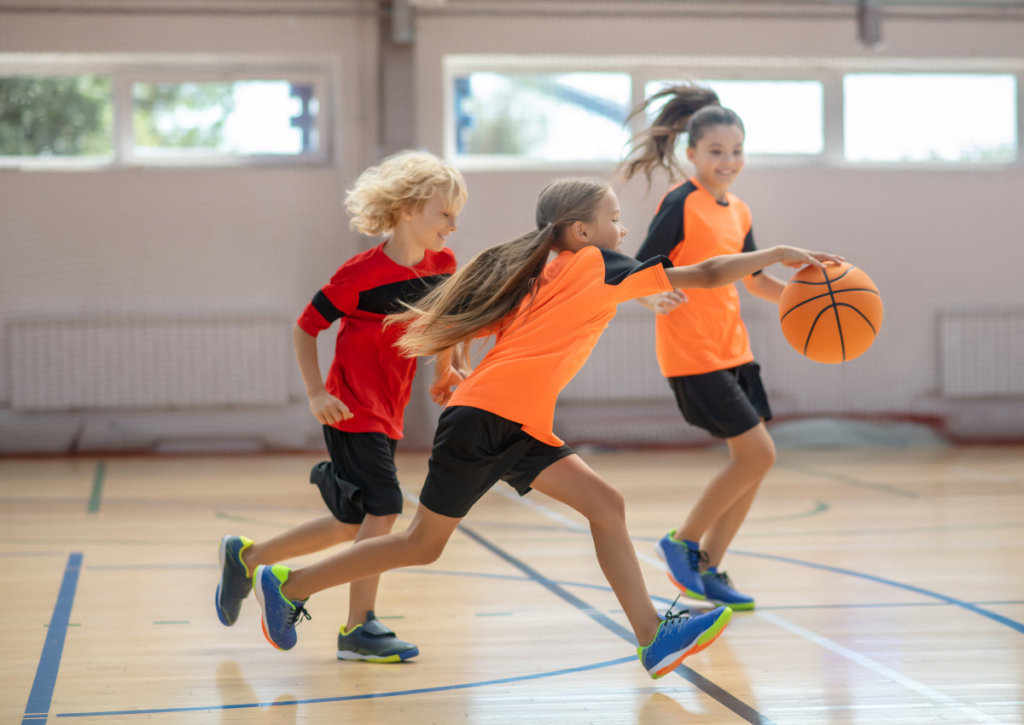
For children with autism and other developmental needs, fitness and physical wellness are more than healthy habits—they’re essential for growth, confidence, and emotional well-being. Movement and exercise help children regulate their bodies, manage stress, and build skills that support independence. In this post, we’ll explore the benefits of fitness, practical tips for parents, and local resources to help you support your child’s physical wellness.
The Benefits of Fitness for Children With Autism
Children on the autism spectrum may face challenges like motor delays, sensory sensitivities, or anxiety in group settings. Despite these hurdles, regular physical activity offers incredible benefits, such as:
- Improved Motor Skills: Activities like swimming, yoga, or adaptive sports strengthen coordination and balance.
- Emotional Regulation: Exercise can reduce stress and improve mood, supporting better behavior.
- Social Opportunities: Inclusive fitness programs encourage communication and teamwork.
- Healthy Habits for Life: Building routines around movement early helps establish lifelong wellness.
Practical Tips for Parents
Since physical activity provides important benefits, it’s especially helpful for parents and caregivers of children on the autism spectrum to encourage movement in whatever ways feel manageable—even when it’s not easy. A few ideas include:
- Starting Small: Begin with short, simple activities that get your child off the couch or into the outdoors—like a walk or a game of catch.
- Following Interests: If your child loves water, try swimming; if they enjoy music, explore dance. Even playgrounds are great for incorporating movement and developing motor planning and coordination. Use your creativity here—fortunately, many interests can be turned into something that incorporates activity.
- Creating Predictability: It’s always a good idea to use visual schedules and social stories to prepare your child for new activities. Doing so will help lessen the chances of outbursts or negative reactions to new activities. If your child takes a liking to an activity, create time to incorporate it into your daily routine.
- Celebrating Progress: Remember that every step counts—whether it’s trying a new movement or joining a group class. Consider using a reward system to motivate and reward your child for trying new things.
Local Adaptive Fitness Resources in Metro Detroit
We understand that finding programs and events that welcome children with extra needs can feel overwhelming. Here are some trusted options worth looking into in the Metro Detroit area:
Adaptive Recreation Centers & Programs
- RARA Recreation (Rochester) – Adaptive sports leagues, classes, and events for all ages.
- Canton Leisure Services – Therapeutic Recreation – Inclusive programs and events for individuals of all ages with disabilities.
- Friendship Circle (West Bloomfield) – Movement-based programs and inclusive activities for individuals with special needs.
- We Rock the Spectrum (Clawson) – Inclusive gym for children of all abilities.
- Play-Place Autism & Special Needs Center (Sterling Heights) – Inclusive play and activity space for children of all abilities.
- McKinley Barrier-Free Park – Outdoor park in Fraser specially designed for easy accessibility for children and adults of all abilities.
Sports & Fitness Organizations
- Special Olympics Michigan – Statewide programs for athletes of all ages with special needs.
- AYSO EPIC – Adaptive soccer for children ages 4+. Multiple Metro Detroit regions.
- Easterseals MORC Miracle League (Oakland/Macomb) – Adaptive sports leagues for all ages.
- Team GUTS (near Clawson) – Fitness classes and camps for children with special needs.
- Inclusively Fit (Sterling Heights) – Adaptive fitness and training for individuals of all ages.
- Motor-vation Training (Detroit) – Inclusive fitness classes for children and adults with disabilities.
- Autastic Athletics (Detroit area) – Sports and fitness programs for teens and adults with special needs.
- Little League Challenger Program – National program offering baseball and softball division options for children, teens and young adults with special needs.
Movement & Wellness Programs
- Belightful – Adaptive yoga for all ages and abilities.
- Proud to be Me – Free, virtual dance classes for elementary and middle school aged children with autism and other special needs.
- Wayne State University’s Inclusive Health and Wellness Programs – Several adaptive physical and wellness programs Wayne State University offers for children with special needs.
- OUCARES Programs – Several adaptive physical and wellness programs Oakland University offers for children with special needs.
Social, Recreational & Life Skills Programs
- Xceptional Heroes (Flint) – Recreational and life-skills outings for young adults (17+) with disabilities.
- YMCA of Metropolitan Detroit Adaptive Social Club – Weekly event where teens and young adults with special needs can socialize, have fun, and get moving through a variety of activities.
- GiGi’s Playhouse (Southfield) – Facility offering a variety of social, recreational, life skills and movement-based programs to individuals of all ages and abilities.
Additionally, check out this adaptive needs summer 2026 camps list and regularly check your city and county’s recreation websites (notable mentions include Roseville/Eastpointe, Romeo/Washington/Bruce, Shelby Township, Warren, and Oakland County Parks) for more fitness and physical wellness opportunities that may be a good fit for your child.
How Therapies Can Support Fitness Goals
While fitness programs and activities provide the foundation, keep in mind that therapies like Occupational Therapy (OT) and Applied Behavior Analysis (ABA) can make participation easier and more enjoyable for children with autism:
- OT helps children develop motor skills, manage sensory sensitivities, and learn adaptive skills for daily life.
- ABA supports social and instructional skills, such as following directions, turn-taking, and staying motivated during group activities.
Together, these therapies complement fitness programs, helping children build confidence and independence while enjoying movement.
At Healing Haven, we believe every child deserves the opportunity to thrive—physically, emotionally, and socially. By combining adaptive fitness opportunities with supportive therapies, you can help your child develop healthy habits that last a lifetime.
If you found this resource helpful, please share it with your network!