Learning does not happen in isolation. Whether a child is preparing for preschool, entering kindergarten, or building independence as a teen or young adult, success depends on more than academics. Research indicates children with autism benefit from opportunities to practice school readiness skills. ABA therapy can teach how to: follow group instructions, take turns, communicate with peers, manage emotions, and adjust to new routines. Learning these skills prepares individuals with autism for school and beyond.
That is why school readiness and group learning are an important part of ABA therapy at Healing Haven. These structured experiences help clients practice key skills with peers in settings that feel similar to classrooms, workplaces, and community environments they may navigate in the future.
“We prepare children for what comes next. Therapy isn’t just about one-on-one instruction at a table. It’s about helping each child build the skills they’ll need for success in school, in their community, and wherever life takes them after ABA therapy. That’s why we place such a strong emphasis on our school readiness and social groups.” – Kate Fritz, Vice President of ABA Operations
What Group Learning Looks Like
While one-on-one ABA therapy provides individualized instruction, group learning gives children a place to use those skills with others. This is where skills like communication, flexibility, waiting, transitioning between activities, and following group directions are practiced so that school routines feel more familiar.
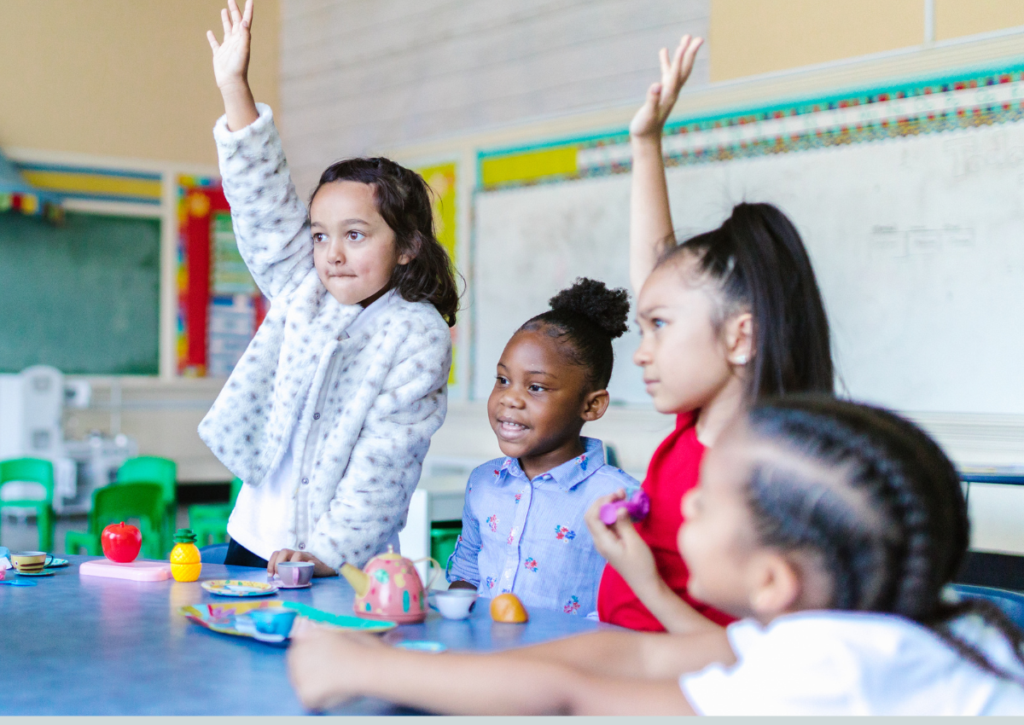
“Our ABA programs intentionally prepare children for the transition to school. It’s not common to see the kind of mock classroom environments that some of our clinics offer. Creating an environment that mirrors a real classroom—with familiar layouts, routines, schedules, and expectations—gives children the opportunity to build the skills and confidence they’ll need when they take that next step into school.” – Kate Fritz, Vice President of ABA Operations
Growing Together Through Every Stage
Because every child develops at their own pace, group learning should meet clients where they are and grow with them. Across each stage, the focus remains on building communication, social interaction, independence, and confidence.
Preparing for Preschool
For children preparing to enter preschool, group learning often focuses on social participation through fun, engaging activities like songs, games and crafts. These interactive activities help children practice skills like greeting and interacting with peers, responding to instructions, taking turns and more.
Many of our clinics are designed to feel similar to school environments. Clients rotate through therapy spaces with the same group of peers, follow daily schedules, and practice transitioning between activities. Over time, these experiences can help classroom routines feel more familiar and less overwhelming.
Practicing Skills for Elementary School
As children build confidence and new skills, they may become ready for more advanced group experiences. ABA programs that provide more specialized school readiness opportunities help children practice the routines, expectations, and social interactions they’ll encounter in school.
In replicating the expectations of a classroom, while also gradually reducing reliance on one-on-one support, clients are better prepared for their transition to elementary school.
Another valuable part of our ABA programs is collaboration with school professionals. When requested by parents, our BCBAs can work with a client’s teachers. This collaboration helps them better understand their classroom experience and incorporate that feedback into therapy when possible. This creates more consistency between school and ABA services.
Preparing for Life after School
For teens and young adults with autism, skill development shifts from school readiness to life beyond the classroom. At this stage, ABA programs may focus on daily living, communication, and pre-employment skills.
On our Madison Heights campus, clients in our Life Skills clinic participate in activities such as: cooking, gardening, shopping simulations, arts and crafts, and technology based projects. Each activity is individualized based on the client’s interests and abilities.
We also provide hands-on experiences to build responsibility, teamwork, social communication, and vocational skills in a supportive environment.
Why Group Learning Matters
Some of the most meaningful learning happens when children can practice skills alongside others.
Group settings and mock classrooms give individuals with autism the chance to learn and practice these vital skills. From sharing a teacher’s attention and communicating with peers, to waiting their turn and solving problems together, they learn how to navigate the natural unpredictability of social situations.
The goal of ABA therapy is to help individuals build independence and confidently navigate what comes next. That may be preschool, kindergarten, employment, or greater participation in their community.
Interested in learning more?
If you’d like to learn more about our approach to ABA therapy or explore whether our services are the right fit for your family, contact our team today. We’re here to help.